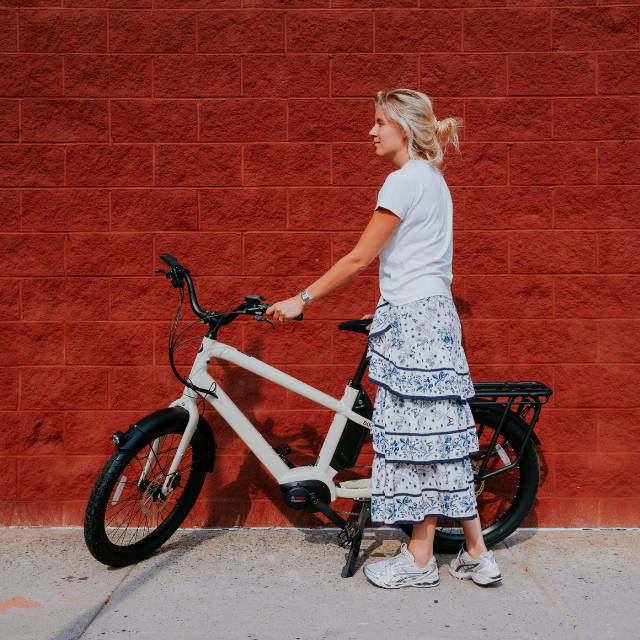
It depends on where you live and how you use it, but most owners end up using their e-Bike for a good chunk of the short trips they’d otherwise drive.
Can an E-Bike Actually Replace a Car?
Written by: Tom Fortune | September 23, 2026 | Time to read 5 min
Most car trips are shorter than people think, and that’s exactly where an e-Bike has the best chance of taking over.

More about the Author: Tom Fortune
Tom is a Brit living in the French Alps. When he's not creating written and video content for various brands, he's either pedalling or snowboarding around his local mountains. E-Bikes have unlocked the potential for Tom to explore Alpine terrain and get away from the crowded bike parks. He is only too keen to share his knowledge and experience with other riders.
Nearly 60% of all car trips in the US are under six miles, according to the Federal Highway Administration. Six miles is nothing on an e-Bike, but an e-Bike probably isn’t going to replace every single car trip in your life. But it could make you less reliant on your car for many trips.
👋 Welcome to Upway!
Upway is your top destination for buying and selling e-Bikes online. Discover your next e-Bike at up to 60% off retail prices, available in new or like-new condition.
Which Car Trips an E-Bike Can Replace
Your commute, the grocery run, dropping the kids at school, and the “I forgot milk” trip are the kinds of journeys e-Bikes are good at. People who own one tend to use it for a lot of their short, everyday trips instead of driving.
Personally, most of my car trips are pretty short, so I often use my bike when I can. I have a Focus SAM2, which is an enduro e-MTB. It’s a bit overkill for going up the road or visiting friends, but I can make the route more interesting with this bike. I often take the long way over the mountain when it isn’t covered in snow. This way I get to ride, take in some epic views, have fun on a couple of trails, and get a bit more exercise in.
Of course, a 40-mile interstate commute isn’t happening on a bike, no matter how good it is. Neither is picking up a new sofa, or riding somewhere with no safe road to ride on. If you go in expecting an e-Bike to replace everything, you’ll be disappointed within a week. They are great, but you need to know the limitations before you sell your car.
Choosing the Right Type of E-Bike

Not all e-Bikes can do the same things. Picking the wrong one is a bit like buying a sports car to move house, technically possible, deeply impractical.
If you’re mostly running solo errands or getting to work, a commuter e-Bike like the Aventon Soltera 2.5 does the job well because it is light and simple.
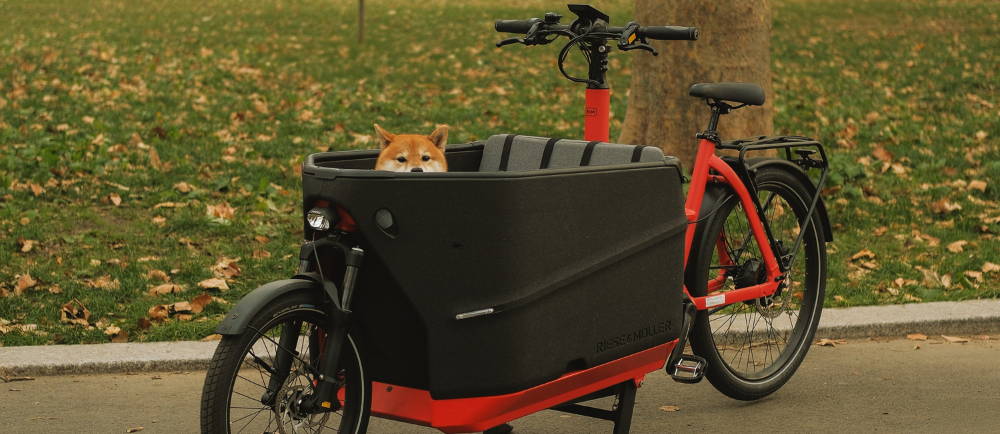
If you’re regularly transporting kids or want to use your e-Bike for a full grocery shop, you might want to consider an electric cargo bike. A great example is the Aventon Abound, which can carry up to 440 lbs and handle the school run and weekend days out.
And if the thing stopping you from riding is the fear of falling over, consider an electric trike. It’s important that you pick the bike that matches your life, not the one that you just like the look of.
Motors, Power, and Brakes: What to Know
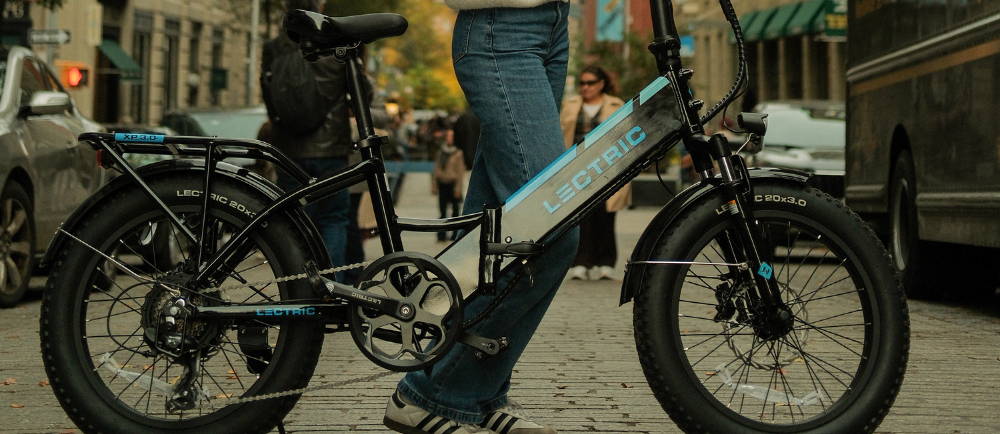
You need to know the two main electric bike motor types. A hub motor is mounted in the wheel; it’s cheap, simple, and does the job fine if your route is flat and you’re not carrying too much weight. A mid-drive motor is mounted between the pedals and works through the gears, so it handles hills and heavy cargo much better. If your routes include hills or you carry heavy loads, go mid-drive. If you generally ride in a flat area and don’t carry too much stuff, save your money and go for a hub-mounted motor.
It’s important to understand the differences between electric bike braking systems. Hydraulic brakes give you more stopping power and finer control over how hard you’re braking, while mechanical brakes rely on a cable that stretches over time and needs manual adjustment to keep working well. If you’re carrying a lot of weight, you’d be better off with hydraulic brakes for more consistent control and stopping power.
A removable battery is worth checking for too, especially if you don’t have a garage. Bringing the battery inside to charge is a lot easier than wheeling the whole bike through your front door every night.
Where E-Bikes Fall Short
Weather is probably the biggest reason not to ride any kind of bike instead of using the car. Riding through a downpour or a heatwave is a very different experience to sitting in an air-conditioned car, and plenty of people will grab the car keys the second the weather turns. Safety is the other one. Not every road has a bike lane, and riding next to fast traffic isn’t for everyone, as it can be quite intimidating.
Then there’s the ability to carry stuff. No e-Bike will ever be able to transport a wardrobe or four passengers. Most people who make the switch don’t ditch their car entirely; they use the bike for the short trips it’s built for and keep the car for everything else.
If you’re thinking about using your car less, browsing Upway’s full electric bike selection, including the electric cargo bike and used electric bikes collections, is a good way to see what fits your life before spending anything.
Frequently Asked Questions
What percentage of car trips can an e-Bike realistically replace?
Is a hub motor or mid-drive motor better for replacing car trips?
A mid-drive motor handles hills and heavier loads more naturally, and it’s worth it if your routes include climbs or you regularly carry cargo. A hub motor is cheaper and works fine for flatter, lighter use.
Do I need hydraulic brakes if I’m using an e-Bike instead of a car?
Not strictly, but they’re worth having if you’re regularly carrying passengers or cargo, since they give more consistent stopping power and finer control than mechanical brakes as the load gets heavier.
Key Takeaways
- E-Bikes realistically replace short, frequent car trips, commuting, errands, and school runs, not every trip a car makes.
- Pick the bike for the job: a commuter e-Bike for solo errands, a cargo e-Bike for kids or groceries, a trike if fear of falling is what’s holding you back.
- Weather, safety, and cargo limits are genuine, so most people keep a car around for what an e-Bike can’t cover instead of ditching it entirely.