Class 1 electric bikes with pedal assist are widely accepted on trails, and so are Class 2. Class 3 electric bikes with extremely powerful motors face greater restrictions.
Best E-Bikes for Trail Riding: Upway Picks
Written by: Kazim Ladimeji | May 4, 2026 | Time to read 6 min
Choosing the best electric bike for trail riding is more than just selecting the one with the most powerful electric motor; it’s about matching the bike to the terrain and your riding intentions.

More about the Author: Kazim Ladimeji
Kazim is a UK-based cyclist and writer who discovered his passion for riding during lockdown six years ago and hasn’t looked back since. He now rides around 100 miles a week, exploring road and light gravel routes from his base in the Cotswolds, a cycling paradise. When he’s not riding or writing about e-Bike trails in the US, he’s exploring cafés, cooking, and keeping busy as a soccer dad
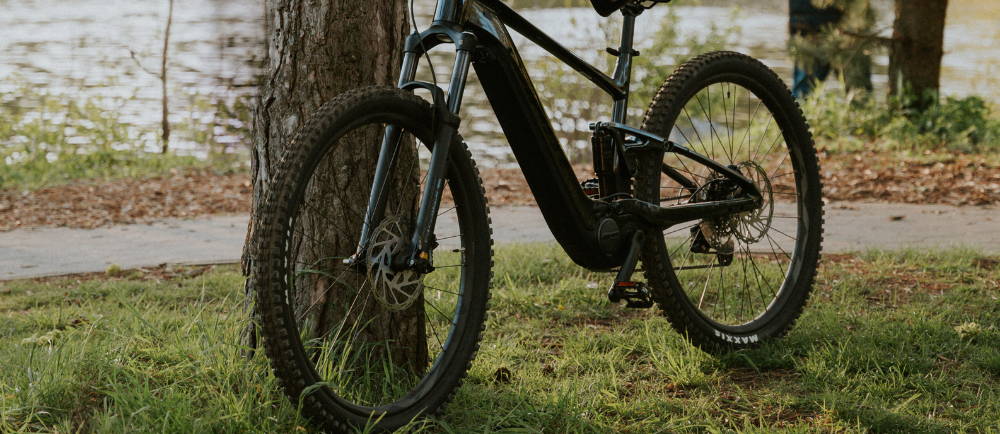
Before choosing the best electric bike for trail riding (whether renting or buying), it’s vital to understand the type of bike trail you’ll be frequenting and your typical distance.
Get this wrong, and the ride can quickly turn bad: poor traction, uncomfortable positioning, too much vibration… I’ve been there.
Get it right, and everything changes for the better. The best trail electric bikes have excellent battery storage capacities (reducing range anxiety), flatten climbs and bumpy trails, handle mixed terrain with ease, and open up riding to different fitness levels and ages. Cycling bliss!
👋 Welcome to Upway!
Upway is your top destination for buying and selling e-Bikes online. Discover your next e-Bike at up to 60% off retail prices, available in new or like-new condition.
Table of Contents
What is a trail in the US, and are there different types?
Best Electric Bikes for Trail Riding
Husqvarna Crosser 1: Best E-Bike for Greenways
Best e-Bikes for Gravel and Light Off-Road
Aventon Aventure M E-Bike (Class 2 Pedal Assist)
Best E-Bike for Light Off-Road
Best Mountain Bikes for Rough Terrain
Specialized Turbo Levo 3 Comp Alloy
What type of e-Bike is Best for Trail Riding?
What wheel size should I choose for a trail e-Bike?
Frequently Asked Questions
Are Electric Bikes Worth it?
I'd recommend taking the bike out for a test ride on your most frequented routes and surfaces to help narrow down your selection.
Electric bikes can seem expensive, but when compared against other modes of transport, they tend to prove cost-effective, and the upfront cost can easily be managed with financing options. Now standard with electric bikes, hydraulic disc brakes provide far superior braking control than previous systems.
Electric bikes are a significant but worthwhile investment, and their value will be realized over time. Therefore, choose a vendor with excellent post-sales bike adjustment support and customer service.
What is a trail in the US, and are there different types?
In the US, “trail” is a catch-all term for off-road or dedicated (usually car-free) paths used for cycling and recreation. Most are multi-use and shared with walkers, runners, and other users.
There are four main trail types to think about when choosing the best electric bike for trail riding:
- Greenways: Paved, traffic-free multi-use trails (frequented by walkers, runners, and cyclists) often along rivers or parks with gentle gradients
- Gravel paths: Compacted stone trails, firm but slightly rough with loose stones.
- Light off-road: Same as gravel, plus easy dirt or forest trails with relatively smooth surfaces, with small roots and rocks.
- Rough technical terrain: Challenging trails with big rocks, roots, steep hills, jumps, tables, and steep, long, flowing, winding descents
Best Electric Bikes for Trail Riding
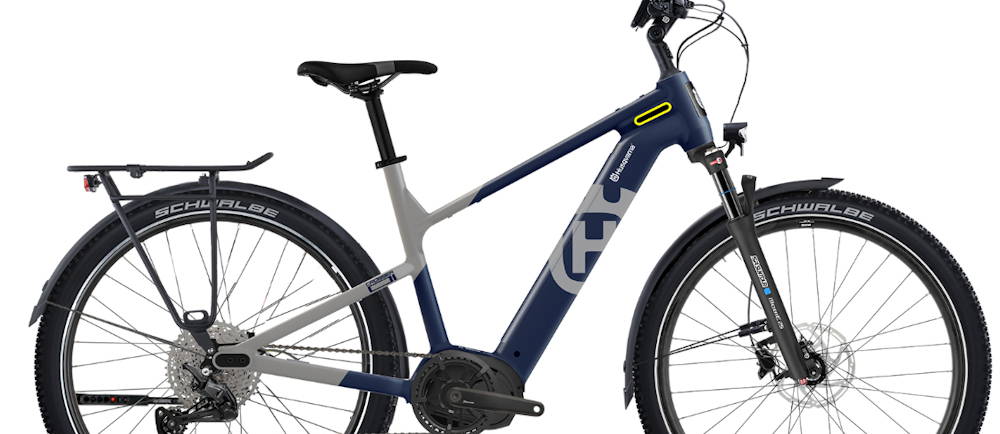
Husqvarna Crosser 1: Best E-Bike for Greenways
Why do I like it?
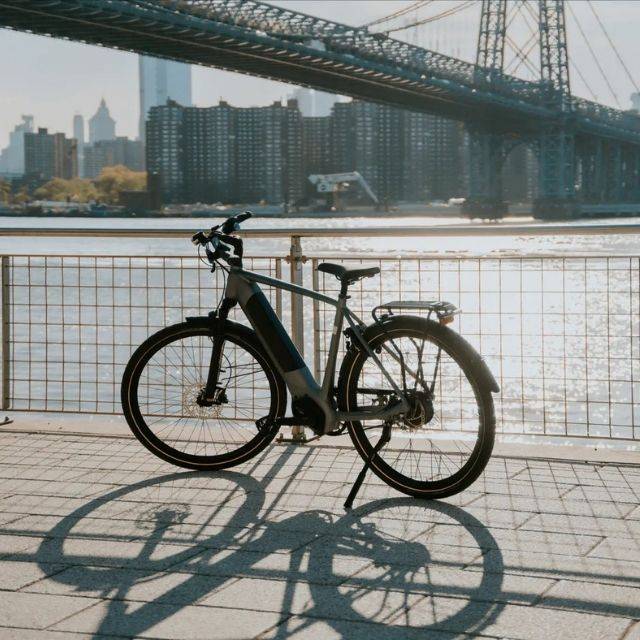
This Class 1 Husqvarna Crosser is ideal for smooth bike trail riding and is one of the best long-range commuter e-Bikes. The 27.5” x 2.10 Schwalbe Smart Sam tires give you enough grip for mixed surfaces without slowing you down on paved sections. The 9-speed gearing and 250 W of motor power will supplement your pedaling efforts so you can comfortably climb hills. Bikes with step-through frames like the one are easier to dismount and remount. This step-over frame design is well-suited to the relaxed, stop-start riding often engaged in on Greenways. The Husqvarna's Hydraulic brakes offer excellent braking control, particularly on descents.
Best E-Bikes for Gravel and Light Off-Road
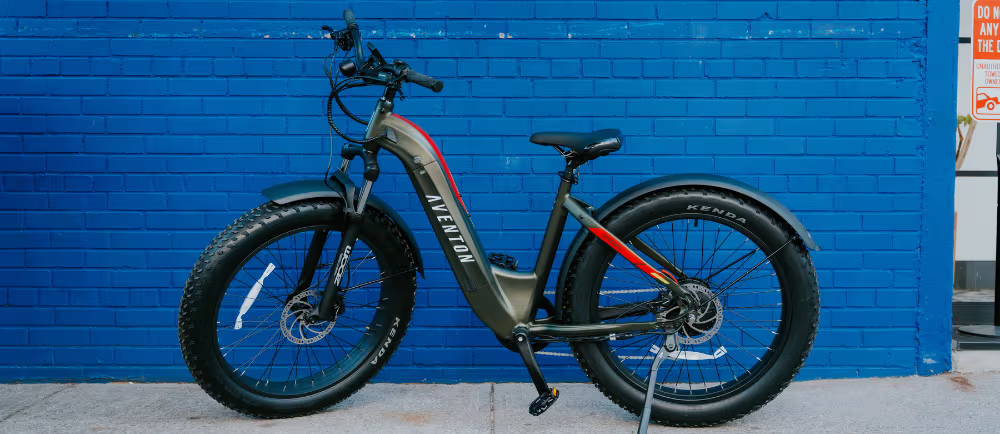
Aventon Aventure M E-Bike (Class 2 Pedal Assist)
Why do I like it?
If your bike trail riding mixes gravel with rougher sections, this is where the Aventon Aventure shines. Its fat tires roll comfortably over loose stone and uneven terrain, and its rear hub motor has an astounding 750W power output and a 733Wh battery. The Aventon Aventure delivers balanced motor power (thanks to its torque sensor) and huge battery capacity, opening up the world of adventure trail riding for a very moderate price, giving you the power and range to go further and explore without battery range anxiety. GPS tracking and integrated lights are standard with the Aventon 3 model, and so are turn signals, enhancing safety.
Best E-Bike for Light Off-Road
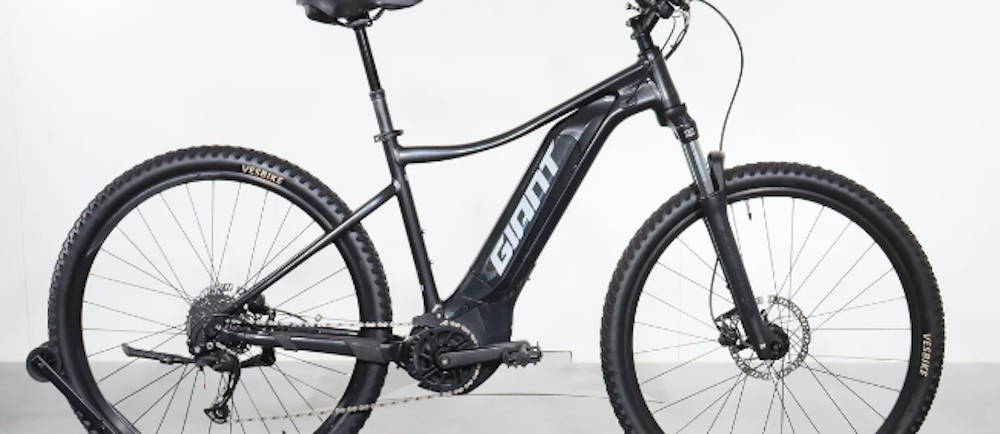
Giant Talon E+ 3
Why do I like it?
A great entry into proper trail riding on electric mountain bikes. This Class 1 (pedal assist) hardtail e-MTB has front suspension forks that give just enough shock absorption (80–120mm travel) to smooth out bumpy, lumpy, rooty forest trails and dirt tracks. It’s stable, predictable, and ideal for riders starting to push beyond gravel into light off-road terrain and easy woodland loops (Green-difficulty rating).
Best Mountain Bikes for Rough Terrain
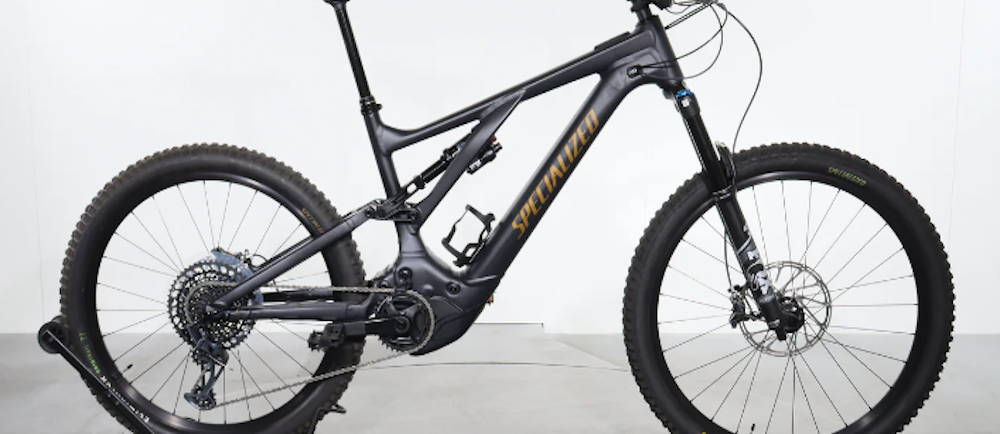
Specialized Turbo Levo 3 Comp Alloy
Why do I like it?
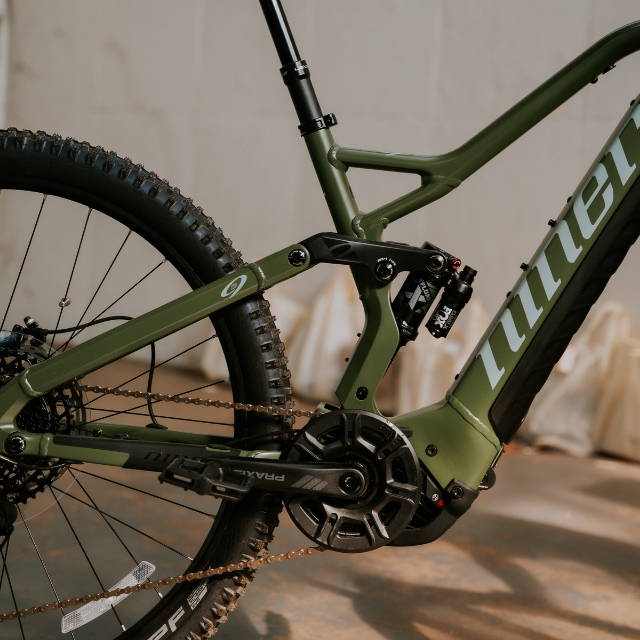
When trail riding becomes highly technical, you need serious capability. The Turbo Levo Comp Electric Mountain Bike comes with full suspension, a dropper post for control on descents, and 90Nm of torque to supplement your pedaling efforts on steep climbs. This mountain bike's 700Wh battery, 250-watt motor power, and 12-speed drivetrain make it ideal for riders progressing into more demanding trail riding at a reasonable price.
What Type of E-Bike is Best for Trail Riding?
Most US states follow the standard e-Bike category system (Class 1, Class 2, and Class 3), with e-Bikes generally allowed where traditional bikes can go. However, Class 3 speed electric bikes (28 mph) are often restricted on trails.
As a result, a Class 1 e-Bike with pedal assist and hydraulic disc brakes (for optimum braking ability) is the all-around option for trail riding, especially if you want maximum access to trails.
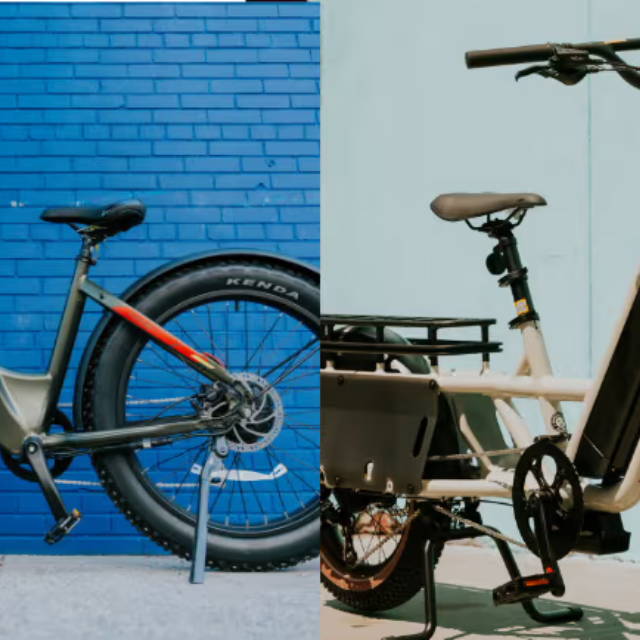
- Hybrid e-Bikes, electric cargo bikes, electric city bikes with rear racks, wider tires, and light tread: Greenways & Light gravel:
- Gravel bikes or hardtail electric mountain bikes with front suspension fork: Gravel + light off-road and easy (green difficulty trails)
- Full suspension electric mountain bikes with dropper posts offering great downhill performance: Rough trails, intermediate, and advanced (Black diamond) trails with steep ascents and descents.
- Mid-drive motor electric bikes (between the pedals) deliver more natural power delivery and perform better on climbs, and are your best option for technical trail riding and hilly terrain. Hub motor electric bikes (in the wheels) are generally more affordable than mid-drive systems, but are best suited to relaxed trail-riding on mostly flat terrain.
What wheel size should I choose for a trail e-Bike?
Wheel size changes how your e-Bike feels on the trail. A 27.5” wheel size makes a bike more nimble and easier to handle, especially on twisty or uneven paths.
A 29” wheel size means your bike carries speed better and smooths out bumps, making it a good choice for longer rides and gravel-style trails.
Fat tire setups (usually smaller rims with very wide tires) give you extra grip and cushioning on loose ground, but they can feel heavier and a bit slower on hard-packed surfaces.
Frequently Asked Questions
What are the rules around electric bikes and electric mountain bikes on trails?
Does motor position matter on an e-Bike?
Yes. It affects how the bike feels and performs. Hub motors are simpler and often cheaper, making them great for flat trails and casual riding. Mid-drive motors provide better balance, more natural power delivery, and improved climbing ability, making them the better choice for hills, gravel, and more technical trail riding. The rear hub motor of the Aventon Adventure has a torque sensor between the pedals to help deliver more natural power delivery.
How far can you ride an electric bike on trails?
Most trail e-Bikes offer 30–70 miles of range in ideal conditions. Rough terrain, steep hills, and higher assist levels will reduce battery life. Using a Range Extender can increase the distance you travel on your electric bike.
Key Takeaways
- Class 1 e-Bikes offer the best and broadest access to US trails.
- Longer rides and steep hills will drain your battery faster, so match battery capacity to intended range.
- Establish which trail you ride the most and then choose a bike to suit.