No. California does not require registration, licensing, or insurance for legal Class 1, 2, or 3 electric bicycles.
California E-Bike Laws and Regulations (2026)
Written by: Kazim Ladimeji | May 27, 2026 | Time to read 6 min
If you ride an electric bike in California, it is essential to understand the state’s electric bike laws. From Class 1, 2, and 3 regulations to helmet laws, sidewalk riding rules, these laws directly affect where and how you can legally ride.

More about the Author: Kazim Ladimeji
Kazim is a UK-based cyclist and writer who discovered his passion for riding during lockdown six years ago and hasn’t looked back since. He now rides around 100 miles a week, exploring road and light gravel routes from his base in the Cotswolds, a cycling paradise. When he’s not riding or writing about e-Bike trails in the US, he’s exploring cafés, cooking, and keeping busy as a soccer dad
California has one of the largest electric bike markets in the United States and has adopted a three-class e-Bike system designed to regulate different types of electric bicycles according to their speed and power assistance.
Electric bikes are widely used across California for commuting, recreation, and deliveries. As usage has increased, California has introduced additional regulations around rider safety, battery certification standards, helmet requirements, and access to roads, sidewalks, and trails. In general, the state is at the forefront of e-Bike regulations, working faster than most other states to keep up with such rapidly growing ridership and changing e-mobility landscape.
In this article, I summarize the key California regulations and applicable e-Bike laws in a practical and easy-to-understand way, so you can stay compliant and ride safely.
👋 Welcome to Upway!
Upway is your top destination for buying and selling e-Bikes online. Discover your next e-Bike at up to 60% off retail prices, available in new or like-new condition.
Table of Contents
What are the electric bike laws for California?
What is the definition of an electric bike in California?
Where can I ride my e-Bike in California?
Can I ride my e-Bike on roads in California?
Can I ride my e-Bike on sidewalks in California?
What are the laws around brakes, lights, and helmets in California?
What are California's updated e-Bike laws regarding battery standards?Frequently Asked Questions
What are the electric bike laws for California?
Under California State Law, an e-Bike is an electric bicycle that has fully operable pedals (working bike pedals that propel the bike when turned) and an electric motor with a 750-watt (or lower) motor power limit.
Electric bicycles come in all shapes and sizes, with different power configurations, and so California specifies 3 types of electric bikes based on the top speed that the motor supports (top assisted speed) and whether the motor engages even when not pedaling (throttle assist).
California follows the three-class legal classification system for electric-assisted bicycles:
Also, California specifically bans unlocking e-bikes (tampering so they can exceed their factory official factory settings), and is trying to curb e-Bikes that combine Class 2 and Class 3 capabilities. After SB No.1271 came into effect on January 1 2025, narrowing the definition of Class 3-bikes in California, it's very clear that Class 3 e-Bikes cannot also have a throttle alongside 28 mph pedal assist capabilities.
- Class 1: Pedal-assist only (with no throttle) and a maximum assisted speed of 20 mph
- Class 2: Throttle-assisted or pedal-assisted with a maximum speed of 20 mph
- Class 3: Pedal assist only up to 28 mph. (This class of e-Bike must have a speedometer, and operators must be at least 16 years old and required to wear a helmet.)
Also, California specifically bans unlocking e-Bikes (tampering so they can exceed their factory official factory settings), and is trying to curb e-Bikes that combine Class 2 and Class 3 capabilities. After SB No.1271 came into effect on January 1 2025, narrowing the definition of Class 3-bikes in California, it's very clear that Class 3 e-Bikes cannot also have a throttle alongside 28 mph pedal assist capabilities.
For more information or to purchase a California-legal Class 1, Class 2, or Class 3 e-bike or to buy a certified, lab-tested, and approved e-Bike battery, visit our Upway LA Bike Showroom at Redondo Beach and talk to our e-Bike experts.
Where can I ride my e-Bike in California?
In California, bikes are generally permitted wherever traditional bicycles are allowed, including roads, bike paths, and many urban cycling routes, unless a sign prohibits it. Access to trails, parks, wilderness areas, and shared-use areas often varies according to e-Bike class, with Class 1 e-Bikes being the most widely accepted and Class 3 being the least.
Can I ride my e-Bike on roads in California?
Yes, you can ride on bike lanes and protected bike lanes (bike lanes physically separated from traffic with posts, etc.). If you are moving slower than traffic and a bike lane exists, by law, you should use the bike lane, but if you can keep up with traffic, you can ride in the road alongside traffic.
Electric bikes, particularly Class 3 electric bikes (with top speeds of 28 mph), can be advantageous for time-pressured commuters and delivery riders, as you will usually be able to ride in the higher speed traffic section outside of the bike lane, getting you from A to B faster.
Electric bikes are not permitted on freeways and expressways, and are generally not allowed to cross toll bridges.
Electric bikes, particularly Class 3 electric bikes (with top speeds of 28 mph), can be advantageous for time-pressured commuters and delivery riders, as you will usually be able to ride in the higher speed traffic section outside of the bike lane, getting you from A to B faster.
Electric bikes are not permitted on freeways and expressways, and are generally not allowed to cross toll bridges.
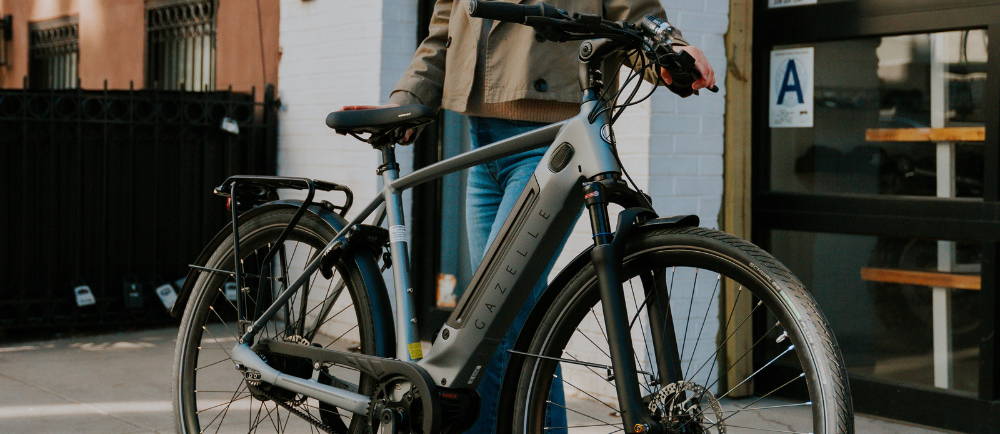
Can I ride my e-Bike on sidewalks in California?
There isn’t a general ban on riding on sidewalks, but it is generally frowned upon in downtown, pedestrian-heavy areas in California. Under Vehicle Code 2106, sidewalk cycling policy has been handed down to cities and counties. San Diego, for example, has an outright ban on bicycling on sidewalks in business areas, whereas some cities may allow it under certain circumstances.
I’d recommend that you check local ordinances or local signage for restrictions before riding an e-Bike on a sidewalk in California.
What are the laws around brakes, lights, and helmets in California?
Brakes
The law states that an electric bike must be equipped with a brake that will enable the operator to make one braked wheel skid on dry, level, clean pavement.
Lights
When out at night, all bicycles must be equipped with:
- A white light on the front (visible from a distance of 300 feet)
- A red rear reflector or red rear light (with built-in reflector), visible from 500 feet when illuminated
- A white or yellow reflector on each pedal shoe or ankle is visible from 200 feet
- A white or yellow reflector on each side forward of the center of the bicycle, and a white or red reflector on each side to the rear of the center of the bicycle, to help make riders visible.
Fortunately, many electric commuter bikes and city bikes come with integrated lights, automatically meeting some of the legal requirements.
Helmets
E-Bike operators, cyclists, and bicycle passengers under the age of 18 must wear an approved helmet when riding on a bicycle.
If you are a heavy commuter, delivery driver, or just ride a lot, it could be worth looking intoMIPS helmet technology, one of the most effective forms of head protection for cyclists.
What are California's updated e-Bike laws regarding battery standards?
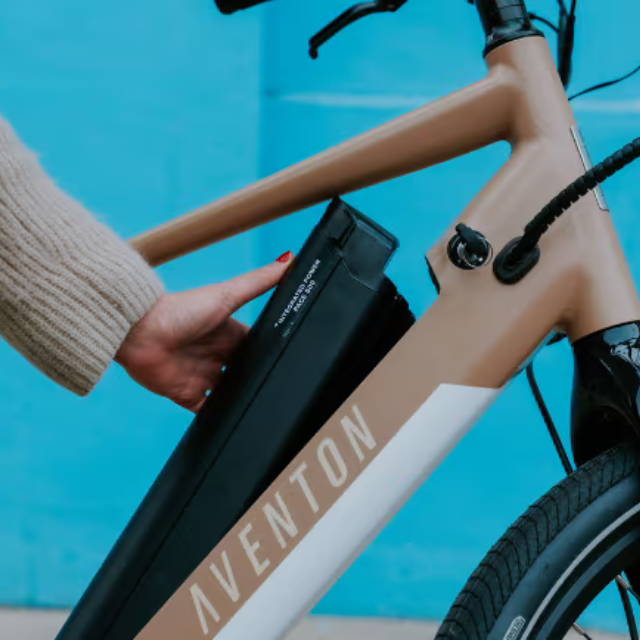
Starting from January 2026, all electric bike batteries sold in California need to be certified by an approved safety test laboratory like UL. This is in response to an increase in battery fires arising from poor-quality equipment. Batteries are also required to have permanent labeling displaying the certification, and all our electric bikes at Upway contain UL-certified batteries.
Frequently Asked Questions
Do I need to register my electric bike in California?
Can I wear headphones while cycling in California?
California's safety regulations allow cyclists to wear an earbud or earpiece in one ear only, but they are not allowed to wear headphones covering both ears.
Are helmets required when riding an e-Bike in California?
Yes. Riders and passengers under the age of 18 are legally required to wear an approved helmet. Class 3 e-Bike riders must also wear a helmet regardless of age.
Key Takeaways
- California follows the three-class e-Bike system for electric bicycles, and is constantly updating its e-Bike regulations to promote safety amid such rapidly growing ridership and number of electric bikes in the state.
- California requires helmets for riders under 18 and all Class 3 e-Bike operators.
- From January 2026, electric bike batteries sold in California must meet approved safety standards.